
Wellness · October 12, 2026
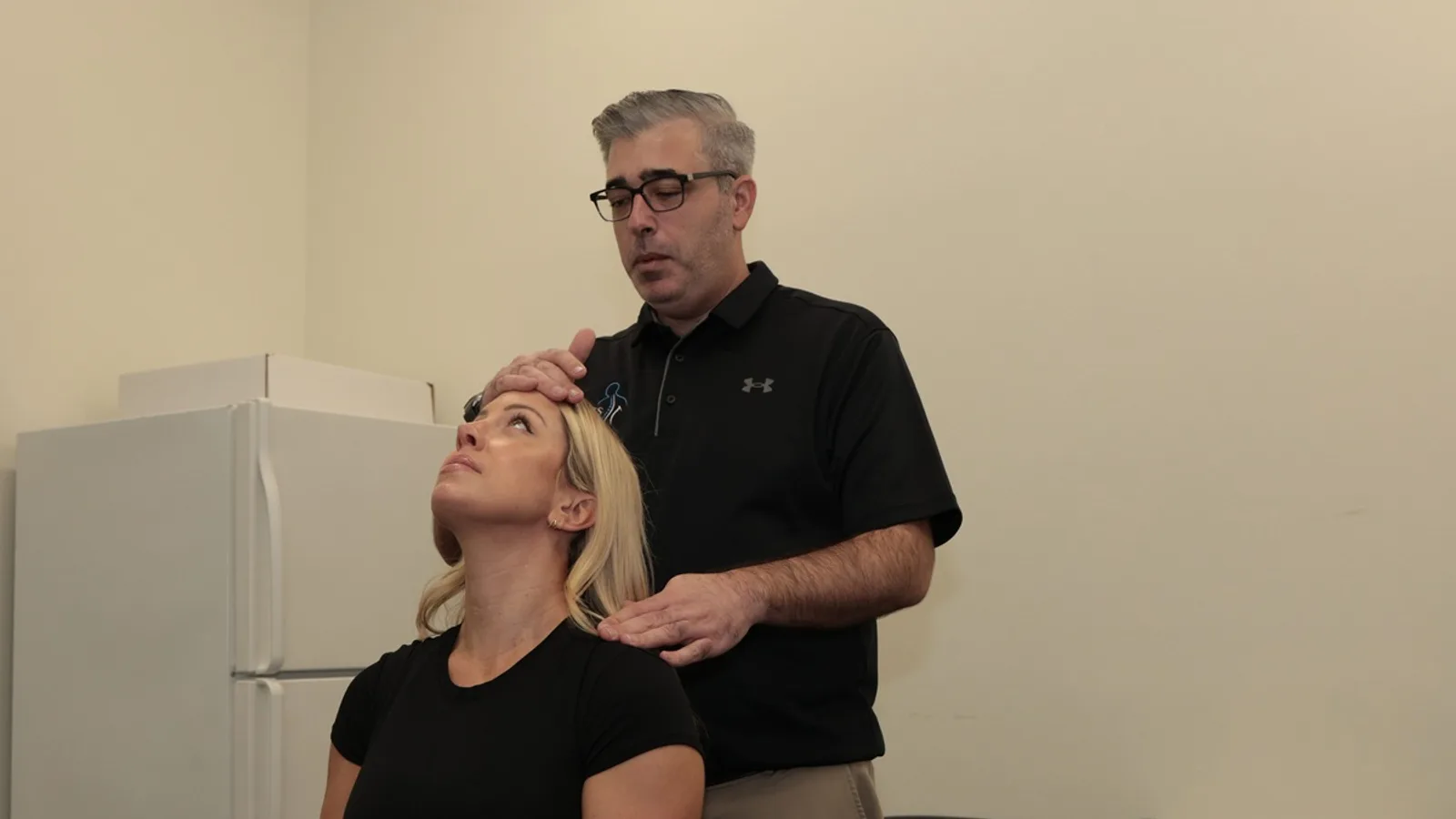
Headaches are one of the most common complaints that bring people into our office here at Heights Chiropractic Center in Houston, TX. And while there are many different types of headaches, one of the most frequent culprits we see is stress. If you've ever noticed a dull, squeezing pressure building at the back of your head after a long, tense workday — or felt your temples throbbing right in the middle of a difficult week — you're not imagining things. Stress and headaches are deeply connected, and understanding that connection is the first step toward finally finding relief. In this article, we'll break down exactly why stress triggers headaches and how chiropractic care may offer a safe, natural path forward.
What Is a Stress Headache?
Stress headaches — also called tension-type headaches — are the most common type of headache experienced by adults. They typically feel like a tight band of pressure wrapping around your head, often starting at the base of the skull or behind the eyes. Unlike migraines, they usually don't cause nausea or sensitivity to light, but they can be persistent, draining, and interfere significantly with your daily life.
The Stress-Headache Connection Explained
When you're under stress — whether it's a work deadline, a difficult conversation, financial pressure, or even being stuck in Houston traffic — your body responds in a very physical way. Your muscles tighten. Your shoulders rise toward your ears. Your jaw clenches. Your breathing gets shallow. This is your body's natural "fight or flight" response, and while it's designed to protect you, it takes a real toll when it's activated constantly.
The muscles most affected by this stress response are the ones in your neck, upper back, and shoulders. As these muscles stay contracted for prolonged periods, they create tension that radiates upward into the head. Blood flow can be restricted, nerve irritation can develop, and the result is often that familiar, relentless pressure we know as a tension headache.
What makes this cycle particularly frustrating is that headaches themselves cause more stress, which in turn causes more muscle tension — and so the cycle continues. Breaking that pattern requires more than just waiting it out or reaching for pain relievers. It often requires addressing the physical root of what's happening in your body.
The Role of Your Spine and Nervous System
Here's something many people don't realize: your spine plays a central role in why stress headaches happen and how frequently they occur. The cervical spine — the portion of your spine running through your neck — houses nerves that are directly connected to the muscles and tissues of your scalp, jaw, and head. When the vertebrae in your neck become misaligned or lose their normal range of motion, these nerves can become irritated or compressed.
A misalignment in the cervical spine (often called a subluxation in chiropractic terms) doesn't necessarily cause pain right at the site. Instead, the irritation can travel — expressing itself as a headache, sometimes far from where the actual problem is occurring. This is why so many people with chronic headaches have a neck or upper back issue that's contributing to their symptoms, even if they've never connected the two.
Stress compounds this problem significantly. When you're tense, the muscles supporting your cervical spine tighten and pull, which can worsen existing misalignments or create new areas of restriction. Your nervous system — already on high alert from stress — becomes even more sensitized to pain signals. This is why those high-stress weeks so reliably seem to come with a side of headaches.
Common Triggers Beyond Emotional Stress
While emotional and psychological stress is a major driver, it's worth knowing that several other factors commonly combine with stress to make headaches worse. Many of the patients Dr. Aaron Dushkin sees at Heights Chiropractic Center in Houston are dealing with a combination of these overlapping triggers.
Poor posture is one of the biggest. Hours spent leaning over a laptop, looking down at a phone, or sitting in a chair without proper support can place enormous strain on the cervical spine. This "forward head posture" — where your head juts in front of your shoulders — adds significant weight load to your neck muscles and upper spine, creating the perfect environment for tension headaches to thrive.
Sleep disruption is another major factor. When you're stressed, sleep often suffers. Poor sleep reduces your body's ability to recover from muscle tension, increases pain sensitivity, and keeps stress hormones elevated — all of which feed directly into headache frequency. Dehydration, eye strain, irregular meal timing, and even clenching or grinding your teeth at night (a common physical manifestation of stress) can all layer on top of one another to make headaches a near-daily occurrence.
How Chiropractic Care Can Help
Chiropractic care takes a whole-body, non-invasive approach to addressing the underlying physical contributors to stress headaches. Rather than masking symptoms, the goal is to identify and correct structural issues — particularly in the cervical and upper thoracic spine — that may be amplifying or directly causing headache symptoms.
At Heights Chiropractic Center, Dr. Aaron Dushkin begins with a thorough evaluation to understand your health history, posture, spinal alignment, and nervous system function. From there, a personalized care plan is developed — no two patients are exactly alike, and treatment is tailored accordingly.
Chiropractic adjustments — gentle, controlled movements applied to specific spinal joints — are designed to restore proper motion, reduce nerve irritation, and relieve the muscle tension that contributes to headaches. Evidence published by organizations like the American Chiropractic Association and reviewed in journals such as the Spine Journal suggests that spinal manipulation may be a beneficial approach for tension-type headaches and cervicogenic headaches (headaches originating from the neck). This is not a cure-all, and results vary by individual, but many patients report meaningful improvements in the frequency and intensity of their headaches with consistent chiropractic care.
In addition to adjustments, chiropractic care at Heights Chiropractic Center may include soft tissue work, postural correction guidance, and recommendations for ergonomic improvements. The goal is to help your body function better — so it's less reactive to the everyday stresses of life in Houston.
If you're curious about whether chiropractic care might be a good fit for what you're experiencing, we warmly encourage you to reach out to us and schedule a consultation. A conversation costs nothing, and it may be the first step toward fewer headaches and a better quality of life.
Practical Tips to Reduce Stress Headaches
While professional care is important for persistent or severe headaches, there are also meaningful steps you can take on your own to reduce how often stress triggers headaches. These aren't magic solutions, but they can make a real difference when practiced consistently.
Start with your workspace. If you're spending long hours at a desk — which is common for so many Houston professionals — check that your monitor is at eye level, your chair supports your lower back, and your keyboard allows your shoulders to stay relaxed. Even small ergonomic improvements can significantly reduce the cumulative strain on your neck and upper back.
Pay attention to how you hold your body during stress. When a tense moment hits, most of us unconsciously raise and tighten our shoulders. Simply becoming aware of this habit and consciously dropping your shoulders, unclenching your jaw, and taking a few deep breaths can interrupt the tension cycle before it builds into a full headache. Regular movement breaks — even a two-minute walk around the office — help keep your muscles from staying in one position too long.
Prioritizing sleep and hydration are two of the most underrated headache-prevention strategies. Aim for consistent sleep and drink water regularly throughout the day. And if you suspect you clench your teeth at night, mention it to Dr. Aaron Dushkin during your visit — there are supportive approaches that may help.
When to See a Chiropractor
If your headaches are occurring more than a couple of times per week, lasting for hours at a time, or consistently interfering with your ability to work, sleep, or enjoy life — it's time to have your spine and posture professionally evaluated. Chronic tension headaches that aren't responding to rest or over-the-counter remedies are a signal that something structural may be contributing.
It's also worth seeking care if you've noticed that your headaches tend to begin at the base of your skull or feel worse after long periods of sitting or screen time. These patterns often point to cervicogenic involvement — meaning your neck is a driving factor — which is exactly the kind of issue chiropractic care is well-suited to address.
That said, certain headache symptoms do warrant prompt medical attention rather than chiropractic care. If you experience a sudden, severe "thunderclap" headache unlike anything you've felt before, a headache accompanied by fever, stiff neck, confusion, vision changes, or neurological symptoms like numbness or weakness, please seek emergency medical care right away. These could indicate a serious medical condition that requires immediate evaluation. At Heights Chiropractic Center, patient safety always comes first, and Dr. Aaron Dushkin will refer you to the appropriate provider if your symptoms fall outside the scope of chiropractic care.
Understanding Your Headache: A Quick Comparison
Headache Type | Common Location | Key Characteristics | Common Triggers | Chiropractic Relevance |
|---|---|---|---|---|
Tension-Type | Both sides of the head; forehead or band-like | Dull, pressing, non-pulsating pressure | Stress, poor posture, muscle tension | High — often associated with cervical tension and subluxation |
Cervicogenic | Base of skull, one side of head or neck | Pain originates from neck; may radiate to face | Neck injury, forward head posture, joint restriction | High — directly related to cervical spine dysfunction |
Migraine | One side of head (often) | Pulsating, moderate to severe, may include aura | Hormonal changes, light, food, stress | Moderate — chiropractic may help reduce frequency in some patients |
Cluster | Around one eye | Severe, stabbing pain in cycles or "clusters" | Alcohol, smoking, disrupted sleep | Low — typically requires medical management |
Myths vs. Facts About Stress Headaches
Myth: Stress headaches are "just in your head" — meaning they're psychological, not physical.
Fact: Stress headaches are very much physical. The muscle tension, nerve irritation, and postural strain that contribute to them are real, measurable, and often visible on examination. Emotional stress triggers genuine physiological changes in the body — tight muscles, restricted spinal motion, elevated pain sensitivity. Dismissing them as purely psychological does patients a real disservice.
Myth: Taking pain medication regularly is the best long-term solution for frequent headaches.
Fact: While over-the-counter pain relievers can provide short-term relief, relying on them too frequently can actually worsen the problem. A phenomenon known as "medication overuse headache" (sometimes called rebound headache) can develop when pain medications are used more than 10-15 days per month. Addressing the root physical cause is a far more sustainable approach for long-term relief.
Myth: Chiropractic adjustments for headaches are dangerous or risky.
Fact: Chiropractic care — particularly cervical adjustments performed by a licensed, trained chiropractor — has a well-established safety profile when provided appropriately. The level of risk is considered low, and for many patients with tension-type or cervicogenic headaches, the benefits significantly outweigh the risks. As always, a proper health history and examination are conducted before any care is provided.
Myth: You just need to reduce your stress and your headaches will go away on their own.
Fact: Stress management is absolutely important, but if your spine and posture are contributing to your headaches, reducing stress alone may not be enough. The structural component needs to be addressed alongside lifestyle changes. Chiropractic care, combined with practical stress-reduction habits, offers a more complete approach.
Myth: Headaches that come on during or after work are just part of life and can't really be changed.
Fact: Many patients at Heights Chiropractic Center who believed their chronic work-related headaches were simply inevitable have found meaningful improvement after addressing their posture, ergonomics, and spinal health. Headaches are common, but that doesn't mean they're something you have to accept as normal.
Final Thoughts from Heights Chiropractic Center
Living in Houston is exciting, dynamic, and — let's be honest — sometimes pretty stressful. Long commutes, demanding work schedules, and a fast-paced lifestyle can all add up. If stress headaches have become a regular part of your week, please know that you don't have to keep managing them with medication alone or simply pushing through the pain.
At Heights Chiropractic Center, our goal is simple: to help you understand what's happening in your body, address the structural factors contributing to your symptoms, and support you in building habits that help you feel better long-term. Dr. Aaron Dushkin is committed to providing thoughtful, individualized care that treats you as a whole person — not just a set of symptoms.
Whether you've been dealing with headaches for years or they've just started cropping up, we'd love to have a conversation with you. Reach out to Heights Chiropractic Center in Houston, TX to schedule your consultation today. Taking that first step toward understanding your headaches better is one of the best things you can do for yourself.
Frequently Asked Questions
Can a chiropractor really help with stress headaches?
Research suggests that chiropractic care — particularly spinal manipulation and soft tissue techniques — may help reduce the frequency and severity of tension-type and cervicogenic headaches. Results vary by individual, and a proper evaluation is needed to determine if chiropractic care is appropriate for your specific situation. Many patients at Heights Chiropractic Center in Houston have found meaningful relief through consistent care.
How many chiropractic visits does it take to notice improvement in headaches?
There is no universal answer, as it depends on the severity and duration of your headaches, your overall health, and how your body responds to care. Some patients notice improvement relatively quickly, while others may require a longer course of care. Dr. Aaron Dushkin will work with you to set realistic expectations based on your individual assessment.
Are stress headaches and tension headaches the same thing?
They are closely related and often used interchangeably. "Tension-type headache" is the clinical term, and stress is the most common trigger. Not all tension headaches are caused exclusively by emotional stress — physical factors like poor posture and muscle tightness also play a significant role.
What does a chiropractic adjustment for headaches feel like?
Cervical adjustments are generally gentle and targeted. You may hear a soft popping sound (this is simply gas releasing from the joint — completely normal) and many people feel a sense of relief and relaxation in the neck and shoulders afterward. Your comfort and safety are the top priority, and care is always explained before it's performed.
Should I see a chiropractor or my medical doctor first for headaches?
If you've already ruled out serious medical causes for your headaches and your symptoms align with tension-type or cervicogenic patterns, seeing a chiropractor is a reasonable and evidence-supported choice. If you're experiencing any neurological symptoms, sudden severe headaches, or headaches following a head injury, please see a medical doctor first. A good chiropractor will always refer you out if your symptoms suggest a condition outside chiropractic scope.
Can children or older adults receive chiropractic care for headaches?
Chiropractic care can be adapted for a wide range of ages and physical conditions. Techniques are always modified to be appropriate for the patient's age, health status, and comfort level. A thorough health history and examination are conducted before any care begins to ensure it's safe and suitable for the individual.
TL;DR Summary
Stress triggers physical muscle tension in the neck, shoulders, and upper back — which is a primary driver of tension-type headaches.
Cervical spine misalignments and poor posture can amplify and worsen stress headaches, creating a cycle that's difficult to break without addressing the structural component.
Chiropractic care — including spinal adjustments, soft tissue work, and postural guidance — may help reduce the frequency and intensity of stress headaches for many patients.
Practical habits like ergonomic improvements, movement breaks, hydration, and sleep support are important complements to professional care.
Heights Chiropractic Center in Houston, TX offers individualized evaluations and care plans — reach out to schedule a consultation and take the first step toward fewer headaches.