
Wellness · October 5, 2026
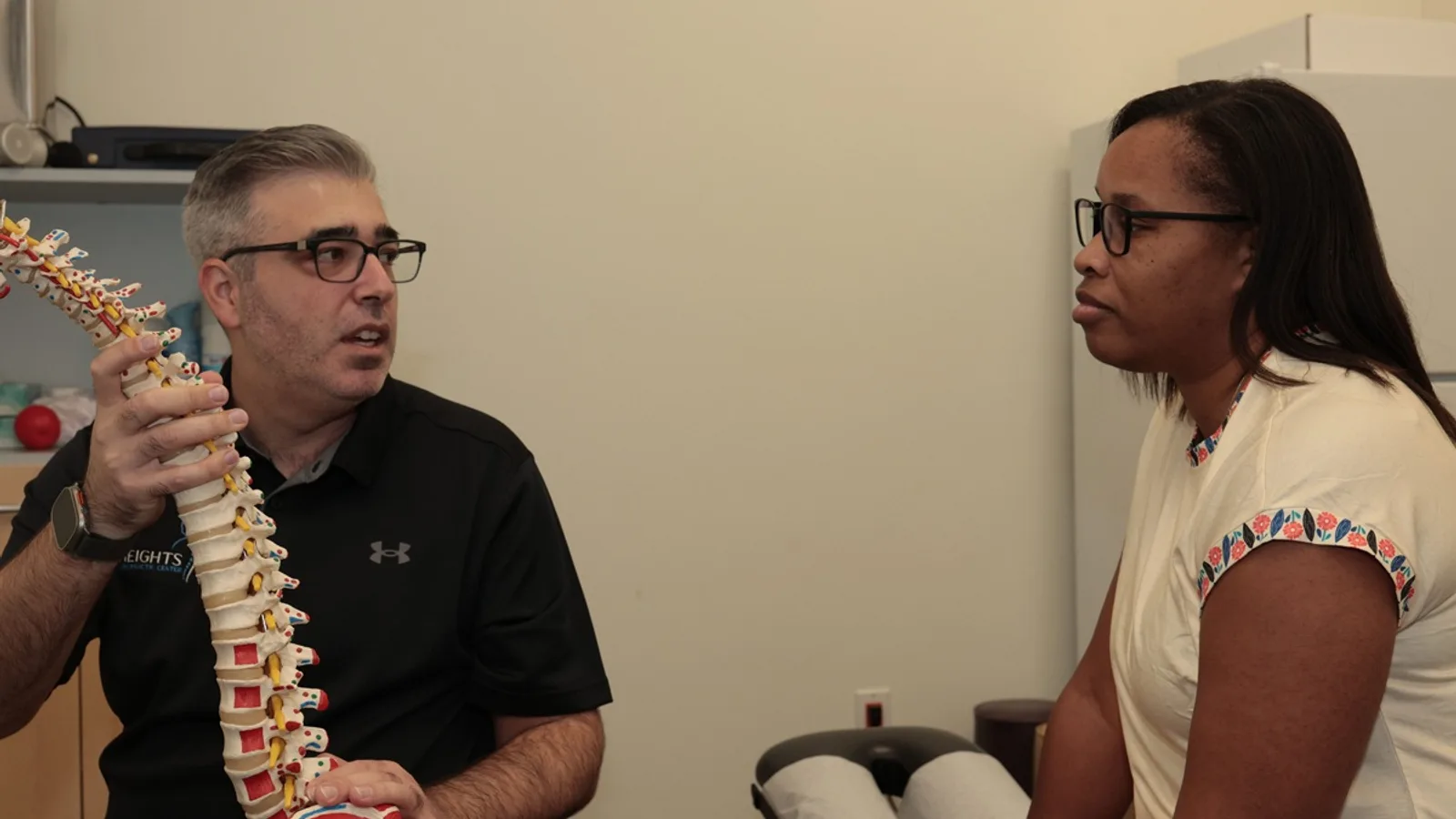
If you've been waking up tired, dealing with nagging aches, or just feeling like your body isn't bouncing back the way it used to, you're not imagining it. Poor recovery is one of the most overlooked reasons people feel run-down, stiff, and out of balance — and yet it rarely gets the attention it deserves. Here in Houston, TX, the team at Heights Chiropractic Center sees patients every week who are pushing through their days without realizing that their body is quietly sending out distress signals. The good news? Once you recognize those signals, you can actually do something about them.
What does "poor recovery" actually mean? Recovery isn't just about bouncing back after a tough workout. It's your body's ability to repair tissue, reset the nervous system, reduce inflammation, and restore normal function after physical or mental stress. When that process breaks down, everything suffers: your sleep, your energy, your posture, and your long-term health.
Sign #1: You Wake Up More Tired Than When You Went to Bed
One of the clearest signs that your body isn't recovering properly is waking up exhausted — even after a full night's sleep. Most people chalk this up to stress or a busy schedule, and while those factors certainly play a role, the root cause is often physical. When your spine is misaligned or your nervous system is under chronic stress, your body stays in a low-level state of tension even while you sleep.
Sleep is supposed to be your body's primary recovery window. During deep sleep, your muscles repair, your brain clears out waste products, and your immune system gets to work. But if you're tossing and turning due to pain or discomfort, or if your nervous system can't downshift into a parasympathetic (rest-and-repair) state, that recovery window closes before it ever really opens.
Here in Houston, Dr. Aaron Dushkin frequently works with patients who report persistent fatigue that no amount of coffee or rest seems to fix. Often, addressing spinal tension and nervous system interference makes a meaningful difference in sleep quality, which in turn improves energy levels throughout the day.
Sign #2: Nagging Pain That Never Fully Goes Away
There's a big difference between soreness that fades in a day or two and pain that lingers week after week. Persistent or recurring pain — whether it's in your neck, lower back, shoulders, or hips — is one of the most common signs that your body is struggling to complete its natural healing cycle.
Acute pain is a normal, protective response. Your body inflames an injured area to protect it and start the healing process. But when that inflammatory response doesn't resolve, or when the underlying biomechanical problem causing the pain isn't corrected, the tissue never fully heals. You end up with a cycle of partial recovery: feeling better for a few days, then back to hurting again.
Many patients at Heights Chiropractic Center in Houston come in after months of managing pain with over-the-counter medications, only to find that the underlying cause — often a spinal misalignment, joint restriction, or muscle imbalance — was never actually addressed. Chiropractic care focuses on identifying and correcting those underlying issues so the body has a real chance to heal, rather than just masking the discomfort temporarily.
Sign #3: Stiffness That Takes Hours to Shake Off
Waking up stiff isn't just an inconvenience. It's your body telling you that inflammation and restricted joint mobility have been building up unchecked. A small amount of morning stiffness is normal, especially as we age. But if it regularly takes you an hour or more to feel "normal" after getting up, that's a red flag worth paying attention to.
Stiffness often reflects poor circulation to the joints, restricted spinal segments, or chronically tight muscles that never fully relax overnight. When the spine isn't moving properly, the surrounding soft tissues compensate by tightening up to provide stability. Over time, those tissues become shortened and less pliable, leading to that familiar groggy, stiff sensation every morning.
The joints of the spine rely on movement to stay healthy. They don't have a direct blood supply like muscles do. Instead, they receive nutrients through a process called imbibition, where movement essentially pumps fluid in and out of the joint. When joints are restricted and not moving well, they become starved of the nutrients they need to recover and maintain healthy cartilage. Restoring proper joint motion is a core part of what chiropractic care does, and it's one of the reasons patients often notice improved mobility pretty quickly after beginning care.
Sign #4: Your Mood and Mental Clarity Are Suffering
Recovery isn't only physical. Your nervous system — the command center that runs everything from your breathing to your digestion to your mood — plays a massive role in how well you bounce back from daily stress. When the nervous system is chronically overloaded, you may notice irritability, brain fog, difficulty concentrating, or a general sense of being emotionally "flat."
The spine houses and protects the spinal cord, which is the central highway for nervous system communication. Misalignments in the spine (called vertebral subluxations in chiropractic terminology) can interfere with how efficiently those signals travel between the brain and the rest of the body. While chiropractic care doesn't treat mood disorders directly, improving nervous system function and reducing physical tension in the body can have a meaningful positive effect on how you feel overall.
Research suggests that the relationship between musculoskeletal health and mental well-being is bidirectional. Chronic physical pain and tension can contribute to low mood and anxiety, and vice versa. At Heights Chiropractic Center, Dr. Aaron Dushkin takes a whole-person approach to care, recognizing that the physical and neurological aspects of health are deeply connected. When the nervous system is functioning with less interference, many patients report feeling calmer, clearer, and more resilient.
Sign #5: You Keep Getting Injured or Sick
If it feels like you're always nursing some kind of minor injury, or like you catch every bug that goes around, your body's recovery capacity may be operating well below where it should be. Repeated injuries — even minor ones — often point to underlying movement dysfunctions, muscle imbalances, or postural patterns that leave certain areas of the body vulnerable. When the spine and pelvis aren't aligned properly, the body compensates in ways that place excessive stress on specific joints, muscles, and connective tissues. Over time, those areas break down faster than they can repair.
Frequent illness is another indicator. While the immune system is complex and influenced by many factors, there is a recognized connection between the nervous system and immune function. The nervous system plays a role in regulating immune responses, so chronic nervous system stress can potentially compromise the body's ability to mount an effective defense. This is an area where the evidence is still developing, but the general principle — that a healthier, less stressed nervous system supports overall resilience — is well-supported in the broader health literature.
If you're living and working in the Houston area and you find yourself in a constant cycle of small injuries or illness, it may be worth having your spine and posture evaluated. The chiropractors at Heights Chiropractic Center can help identify patterns that may be leaving you more vulnerable and work with you on correcting them.
How Chiropractic Care Supports Recovery
Chiropractic care is fundamentally about restoring the body's ability to function and heal itself as efficiently as possible. It's a non-invasive, drug-free approach that focuses on the relationship between the spine, the nervous system, and overall health. When the spine is aligned and joints are moving freely, the nervous system can communicate more effectively, muscles can function without compensating for structural imbalances, and the body's natural repair processes can work more efficiently.
At Heights Chiropractic Center in Houston, TX, care typically begins with a thorough evaluation: looking at your posture, range of motion, areas of restriction, and the specific concerns that brought you in. From there, a personalized care plan is developed. This might include spinal adjustments to restore joint mobility, soft tissue work to address muscle tension, and guidance on movement, ergonomics, and daily habits that support recovery.
Dr. Aaron Dushkin emphasizes that chiropractic care isn't about masking symptoms; it's about helping your body get back to doing what it's designed to do. When people feel genuinely better and more energetic, it's usually because the underlying dysfunction has been addressed, not just temporarily relieved.
Practical Tips to Help Your Body Recover Better
Chiropractic care works best as part of a broader commitment to your health. There are several evidence-informed habits that support recovery and complement the care you receive in the office.
First, prioritize sleep hygiene. Going to bed and waking up at consistent times, keeping your bedroom cool and dark, and limiting screen exposure before bed can all meaningfully improve the quality of your rest. Sleep is when the majority of your tissue repair happens, so protecting that window matters.
Second, stay hydrated. Your spinal discs, joints, and muscles all depend on adequate hydration to function properly. Dehydration accelerates the breakdown of cartilage and connective tissue and slows healing. Most adults in a warm climate like Houston need more water than they think.
Third, don't underestimate the power of gentle movement. Long periods of sitting or inactivity slow circulation and contribute to joint stiffness. Even short walks throughout the day, gentle stretching, or mindful movement practices like yoga can make a significant difference in how your body feels and recovers.
Finally, pay attention to your workstation setup. Poor ergonomics is one of the leading contributors to spinal stress and muscular tension in our Houston patient population. Make sure your monitor is at eye level, your chair supports your lumbar curve, and you're not staying in one position for hours on end without a break.
When to See a Chiropractor About Recovery
You don't have to be in severe pain to benefit from chiropractic care. If you've been experiencing any of the five signs covered in this article — persistent fatigue, nagging pain, prolonged stiffness, mood or cognitive changes, or repeated injury or illness — it's worth scheduling an evaluation. The sooner you address dysfunction, the easier it typically is to correct.
That said, there are situations where chiropractic care alone isn't the right first step. If you're experiencing sudden severe pain following a trauma, numbness or tingling that travels down your arms or legs and is progressively worsening, loss of bladder or bowel control, or signs of a serious infection like fever with neck stiffness, you should seek emergency medical care right away. A good chiropractor will always refer you to the appropriate provider when something falls outside the scope of chiropractic care. Your overall health is the priority, not the appointment.
Recovery Warning Sign | Common Contributing Factors | How Chiropractic Care May Help |
|---|---|---|
Waking up exhausted | Nervous system overload, spinal tension, poor sleep posture | Reducing nervous system interference, improving sleep comfort |
Persistent pain | Spinal misalignment, joint restriction, unresolved inflammation | Restoring joint mobility, addressing root biomechanical cause |
Morning stiffness | Restricted spinal segments, poor joint nutrition, tight muscles | Improving joint motion and circulation through adjustments |
Brain fog and mood changes | Chronic physical tension, nervous system stress | Supporting nervous system function and reducing musculoskeletal load |
Frequent injuries or illness | Postural imbalances, movement dysfunction, nervous system stress | Correcting movement patterns, improving structural balance |
Myths vs. Facts About Recovery and Chiropractic Care
Myth: "If I rest enough, my body will eventually heal on its own."
Fact: Rest is important, but passive rest alone often isn't enough when there's an underlying structural or biomechanical issue. If a joint is restricted or misaligned, the body tends to compensate around the problem rather than actually resolving it. Active, targeted care is often needed to restore proper function.
Myth: "Chiropractic adjustments are only for back pain."
Fact: While chiropractic care is well-known for addressing back and neck pain, it's really about optimizing nervous system function and musculoskeletal health broadly. Patients seek chiropractic care for a wide range of issues including headaches, joint stiffness, sports performance, and overall wellness.
Myth: "Feeling tired all the time is just a normal part of getting older."
Fact: While some changes in energy are associated with aging, chronic fatigue is not something you simply have to accept. Poor recovery, driven by structural, neurological, or lifestyle factors, is often addressable. It's worth getting evaluated rather than assuming exhaustion is inevitable.
Myth: "Chiropractic care is a quick fix — one or two visits should do it."
Fact: Chiropractic care, like most forms of healthcare, works best when given adequate time. Patterns of dysfunction that have developed over months or years typically take a series of visits to meaningfully correct. Dr. Aaron Dushkin works with each patient individually to set realistic expectations and track progress over time.
Myth: "If my pain is gone, I've fully recovered."
Fact: Pain relief and full recovery are not the same thing. Pain is often the last symptom to appear and the first to disappear, but the underlying cause may still be present. Completing a full course of recommended care — even after you're feeling better — helps ensure that the problem doesn't return quickly.
Final Thoughts From Heights Chiropractic Center
Your body is remarkably capable of healing and adapting, but it needs the right conditions to do so. When recovery is compromised, the effects ripple through every area of your life: your sleep, your energy, your mood, your ability to stay active, and your long-term health. The five signs we covered today are your body's way of asking for help. The key is knowing how to listen.
Here at Heights Chiropractic Center in Houston, TX, we believe that everyone deserves to feel their best, not just good enough to get through the day. Dr. Aaron Dushkin and the entire care team are here to help you understand what your body is telling you, address the root causes of poor recovery, and build a personalized plan to help you feel stronger, more energized, and more resilient.
If any of the signs in this article sound familiar, we'd love to connect with you. Reach out to Heights Chiropractic Center to schedule a consultation and take the first step toward giving your body the recovery it deserves. You don't have to keep pushing through — there's a better way forward, and we're here to help you find it.
Frequently Asked Questions
How do I know if my fatigue is related to a spinal or nervous system issue?
It can be hard to tell on your own, which is why a professional evaluation is so valuable. A chiropractor can assess your posture, spinal alignment, and nervous system function to identify whether physical dysfunction may be contributing to your fatigue. This is often a piece of the puzzle that gets overlooked in conventional approaches.
How long does it take to see results with chiropractic care for recovery issues?
This varies depending on the nature and duration of the problem. Some patients notice improvements in sleep, energy, or pain levels within the first few weeks of care, while others with more long-standing issues may take longer. Dr. Aaron Dushkin will give you an honest assessment of what to expect based on your specific situation.
Is chiropractic care safe if I'm already dealing with multiple health issues?
Chiropractic care is widely recognized as safe for most adults when performed by a licensed, qualified chiropractor. During your initial consultation at Heights Chiropractic Center, your full health history will be reviewed to ensure that care is appropriate and tailored to your needs.
Can chiropractic care help even if I don't have significant pain?
Absolutely. Many people seek chiropractic care for wellness and performance reasons, not just pain relief. If you're experiencing stiffness, fatigue, brain fog, or just a general sense that your body isn't recovering well, those are valid and worthwhile reasons to be evaluated.
Do I need a referral to see a chiropractor in Houston?
In Texas, you do not need a physician's referral to see a chiropractor. You can contact Heights Chiropractic Center directly to schedule your consultation without going through another provider first.
What should I bring to my first appointment?
It's helpful to bring any relevant medical records, imaging (like X-rays or MRIs), and a list of any medications or supplements you're currently taking. Most importantly, come prepared to describe what you've been experiencing — the more information you can share, the better Dr. Aaron Dushkin can understand your situation and develop an effective care plan.
TL;DR Summary
Waking up exhausted, chronic nagging pain, prolonged morning stiffness, mood and cognitive changes, and frequent injuries or illness are all signs that your body's recovery is compromised.
Poor recovery is often tied to spinal misalignment, nervous system interference, and movement dysfunction — not just lifestyle factors like stress or sleep habits alone.
Chiropractic care at Heights Chiropractic Center in Houston, TX focuses on addressing the root biomechanical and neurological causes of poor recovery, not just symptom relief.
Simple habits like consistent sleep schedules, proper hydration, regular movement, and good ergonomics can meaningfully support your body's ability to recover.
If any of these signs sound familiar, scheduling a consultation with Dr. Aaron Dushkin is a great first step toward feeling like yourself again.