
Wellness · September 11, 2026
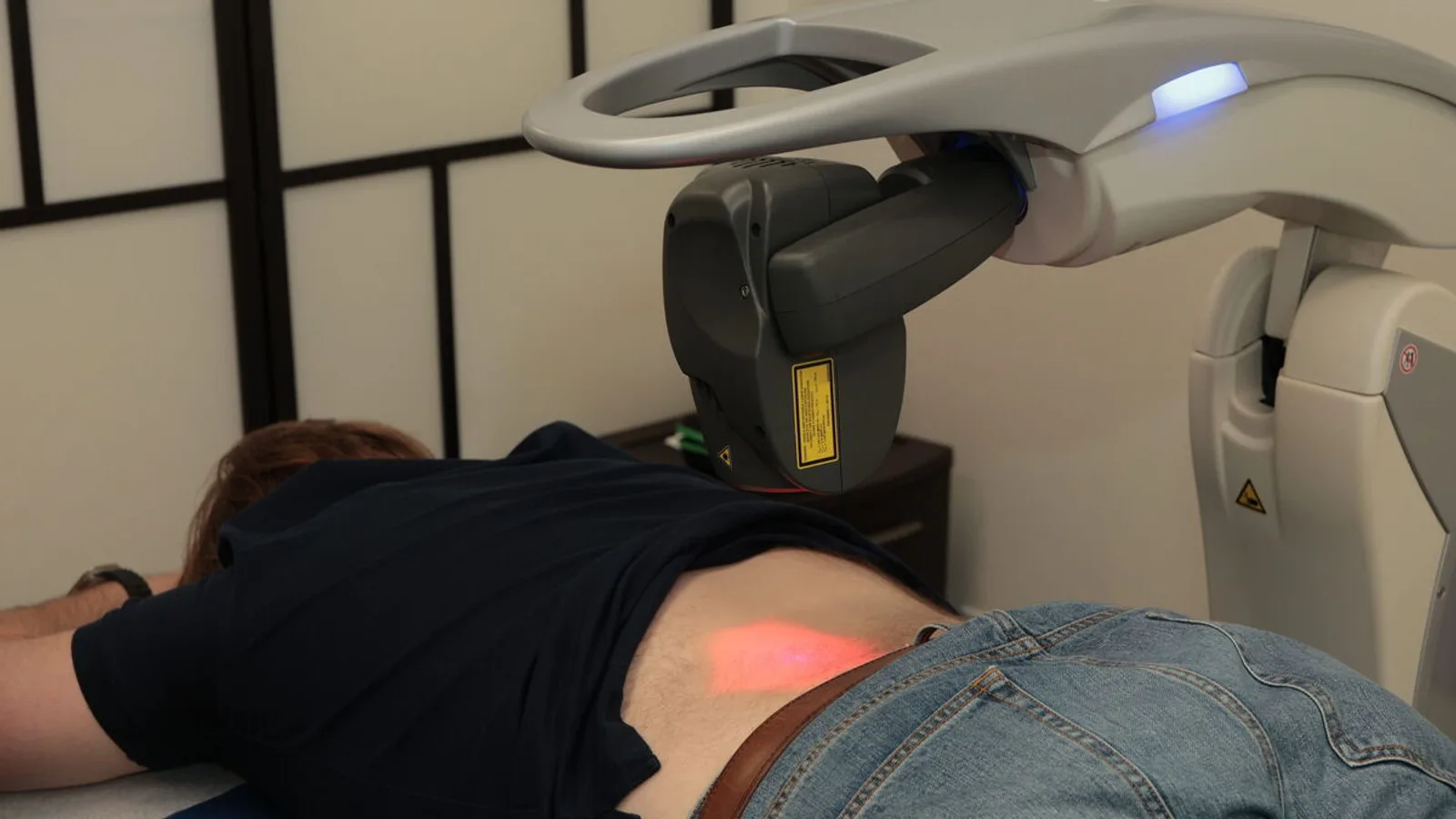
If you've been living with chronic pain, a sports injury, or stubborn inflammation that just won't quit, you've probably explored more than a few options trying to find relief. At Heights Chiropractic Center in Houston, TX, one of the most exciting and effective tools we've added to our care approach is laser therapy — a non-invasive, drug-free treatment that's helping patients feel better and move more freely. Whether you've heard about it from a friend or stumbled across it while searching for pain relief options near you, this article is here to give you a clear, honest picture of what laser therapy is, how it works, and whether it might be right for you.
What is laser therapy? Laser therapy (also called low-level laser therapy or photobiomodulation) is a treatment that uses specific wavelengths of light to penetrate tissue, stimulate cellular healing, and reduce pain and inflammation — without surgery, needles, or medication.
What Is Laser Therapy, Exactly?
Laser therapy goes by a few names — low-level laser therapy (LLLT), cold laser therapy, and more recently, photobiomodulation (PBM). At its core, it's a treatment that delivers concentrated light energy at specific wavelengths deep into injured or inflamed tissue. Unlike surgical lasers that cut or burn, therapeutic lasers work gently and painlessly, encouraging the body's own natural healing processes.
The concept might sound futuristic, but laser therapy has actually been studied and used in clinical settings for several decades. It's well-established within the world of physical medicine and rehabilitation. Organizations like the National Institutes of Health and the World Health Organization have acknowledged photobiomodulation as an area of growing clinical interest, particularly for musculoskeletal pain management.
Here in Houston, many patients at Heights Chiropractic Center come in after struggling with pain for months — sometimes years — and laser therapy has become an important part of how Dr. Aaron Dushkin and the team help people get real, lasting results. It's not a magic cure, but it is a genuinely powerful tool when used appropriately as part of a comprehensive care plan.
How Laser Therapy Works to Reduce Pain and Inflammation
To understand why laser therapy is so effective, it helps to think about what's happening at the cellular level when you're in pain. When tissue is injured or inflamed, the cells in that area are under stress. Their ability to produce energy and repair themselves is compromised, which means the healing process slows down and pain lingers.
Laser therapy works by delivering photons — particles of light — into the damaged tissue. These photons are absorbed by a component inside your cells called the mitochondria (often referred to as the "powerhouse of the cell"). When the mitochondria absorb this light energy, they ramp up production of ATP (adenosine triphosphate), which is essentially the fuel your cells need to repair and regenerate. This process is called photobiomodulation.
The effects of this cellular stimulation ripple outward in several important ways. Blood flow to the affected area increases, bringing more oxygen and nutrients to support healing. Inflammation — the body's defensive but often excessive response to injury — begins to calm down. Nerve sensitivity decreases, which directly contributes to a reduction in pain signals. And the overall rate of tissue repair accelerates. Evidence from peer-reviewed research published in journals like the Spine Journal and through Cochrane Library analyses suggests that laser therapy can be helpful for reducing musculoskeletal pain, particularly in the neck and lower back.
What makes this especially appealing is what it doesn't involve. There are no medications, no injections, no downtime, and no discomfort during the procedure itself. Most patients describe the sensation as a gentle warmth — or nothing at all.
Conditions That Laser Therapy Can Help Address
Laser therapy isn't a one-size-fits-all solution, and not every condition responds the same way. That said, it has a broad range of applications and is particularly well-suited to musculoskeletal issues — the kinds of problems that bring most people into a chiropractic office in the first place.
At Heights Chiropractic Center in Houston, TX, Dr. Aaron Dushkin evaluates each patient individually before recommending laser therapy as part of their care plan. Some of the most common issues that respond well to this treatment include neck pain and cervical stiffness, lower back pain (both acute and chronic), shoulder injuries and rotator cuff problems, knee pain and osteoarthritis-related discomfort, plantar fasciitis and foot pain, tennis elbow and golfer's elbow, carpal tunnel syndrome, sports injuries and muscle strains, and neuropathic pain or nerve-related discomfort.
Laser therapy also shows promise in helping tissues heal after repetitive stress injuries, which are incredibly common in a city like Houston where people are active, working physically demanding jobs, or spending long hours at a desk. Whether the issue is a fresh injury or something that's been nagging for years, laser therapy may be worth exploring as part of a thoughtful, conservative care approach.
How Laser Therapy Fits Into Chiropractic Care
Chiropractic care has always been grounded in the philosophy that the body has an incredible ability to heal itself when it's properly supported. Spinal adjustments, soft tissue work, exercise rehabilitation, and lifestyle guidance all serve that same goal — removing obstacles to healing and restoring function. Laser therapy fits naturally into that same framework.
When Dr. Aaron Dushkin incorporates laser therapy into a patient's care plan at Heights Chiropractic Center, it's typically used alongside other chiropractic treatments rather than in isolation. For example, reducing inflammation and calming irritated nerves with laser therapy can make chiropractic adjustments more effective and more comfortable. Patients often find that they respond better to manual treatment when laser therapy has helped their tissues become less reactive and inflamed.
Think of it as layered care. Each treatment modality supports the others, and together they address pain from multiple angles — structural alignment, soft tissue health, nervous system function, and cellular healing. This integrative approach is one of the things that sets a well-rounded chiropractic office apart from simply "cracking backs."
If you're in Houston and looking for a conservative, drug-free approach to managing pain or recovering from an injury, we warmly encourage you to reach out to Heights Chiropractic Center to schedule a consultation. Dr. Aaron Dushkin will take the time to understand your history, your goals, and whether laser therapy makes sense for your individual situation.
What to Expect During a Laser Therapy Session
One of the most common questions patients ask is: "What does it actually feel like?" The honest answer is — not much, at least in terms of discomfort. Laser therapy is one of the most comfortable treatment options available in a clinical setting. You'll lie or sit comfortably while the laser device is held close to or gently touching the skin over the treatment area.
Sessions typically last anywhere from a few minutes to about 20 minutes, depending on the size of the area being treated and the nature of the condition. Some patients notice a mild warming sensation, while others feel very little at all. There's no recovery time afterward — most people walk out and go about their normal day without any restrictions.
The number of sessions needed varies from person to person. Acute injuries may respond quickly, sometimes within a handful of visits. Chronic conditions that have been present for months or years may require a longer course of treatment before significant improvement is felt. Consistency matters — just like physical therapy or chiropractic adjustments, laser therapy tends to work best when sessions are completed as recommended rather than sporadically.
Here are a few simple things to keep in mind when you begin laser therapy treatment:
Arrive with clean skin over the treatment area — avoid heavy lotions or oils on the day of your appointment.
Wear comfortable, loose-fitting clothing that allows easy access to the area being treated.
Be patient with the process — healing takes time, and results often build gradually over the course of treatment.
When to Consider Laser Therapy
Laser therapy is a wonderful option for a wide range of people, but it's worth knowing when it might be especially appropriate — and when a different direction may be warranted. In general, laser therapy is worth considering if you're dealing with pain that hasn't responded well to rest alone, if you want to avoid or reduce dependence on pain medications, or if you're trying to recover from an injury and want to support the healing process naturally.
It can also be a good fit if you've tried other conservative treatments and felt partial relief, but are still struggling with inflammation or residual pain. Combining laser therapy with chiropractic adjustments and rehabilitative exercises often produces better outcomes than any single approach on its own.
That said, there are situations where laser therapy is not appropriate. Patients who are pregnant, have active cancer in the treatment area, have certain light-sensitive skin conditions, or are taking photosensitizing medications may need to avoid laser therapy. Anyone with a pacemaker or other implanted electronic device should discuss this with their provider before beginning treatment. This is why a thorough consultation — like the ones Dr. Aaron Dushkin conducts at Heights Chiropractic Center — is so important before starting any new treatment.
If you ever experience sudden, severe pain, numbness or tingling that extends down your arms or legs, loss of bladder or bowel control, or signs of a serious systemic illness, those are red flags that warrant immediate medical evaluation rather than a chiropractic visit alone. A good chiropractor will always refer you to the right provider when a condition falls outside the scope of conservative care.
Condition / Situation | Is Laser Therapy a Good Fit? | Notes |
|---|---|---|
Chronic lower back pain | Yes — often very effective | Best combined with chiropractic adjustments and exercise |
Acute sports injury (muscle strain) | Yes — supports faster tissue healing | Early intervention often yields quicker results |
Neck pain and stiffness | Yes — reduces inflammation around joints and nerves | Works well alongside cervical adjustments |
Plantar fasciitis | Yes — helps calm inflamed fascia | Often combined with stretching protocols |
Active cancer in treatment area | No — contraindicated | Always disclose medical history before treatment |
Pregnancy | No — generally avoided | Consult with your OB and chiropractor |
Post-surgical recovery (with clearance) | Possibly — case-by-case basis | Requires coordination with your surgeon |
Myths vs. Facts About Laser Therapy
Myth: Laser therapy is experimental and unproven.
Fact: Photobiomodulation has been studied in clinical research for several decades. While research is ongoing (as it is with many treatment modalities), there is a meaningful body of evidence supporting its use for musculoskeletal pain, soft tissue healing, and inflammation reduction. It is recognized and used by chiropractors, physical therapists, sports medicine physicians, and other healthcare providers around the world.
Myth: It's the same as a surgical laser — it must burn or damage tissue.
Fact: Therapeutic laser therapy uses low-level, non-thermal light energy that does not cut, burn, or damage tissue in any way. It operates on a completely different principle than surgical lasers. The light stimulates cellular processes rather than destroying tissue, which is why patients feel no pain during treatment.
Myth: You'll feel immediate, dramatic results after one session.
Fact: While some patients do notice improvement after their first session, most experience gradual, cumulative improvement over the course of several treatments. Healing is a process, and laser therapy supports and accelerates that process — it doesn't override it instantly. Realistic expectations and consistent treatment are key.
Myth: Laser therapy is only useful for back pain.
Fact: Laser therapy has applications across a broad range of musculoskeletal and soft tissue conditions, including shoulder injuries, knee pain, plantar fasciitis, carpal tunnel syndrome, tennis elbow, and more. Its ability to reach tissue and stimulate healing makes it versatile across many different areas of the body.
Myth: Anyone can receive laser therapy without a proper evaluation.
Fact: Like any treatment, laser therapy requires a proper clinical assessment before it begins. There are specific contraindications — including active cancer in the treatment area, pregnancy, and certain skin conditions — that make a thorough consultation essential. At Heights Chiropractic Center, no treatment is recommended without a complete understanding of the patient's health history.
Final Thoughts From Heights Chiropractic Center
Living with pain — whether it's been a few weeks or several years — takes a toll on every part of your life. It affects your sleep, your work, your relationships, and your ability to simply enjoy being in Houston and everything this city has to offer. The good news is that pain is not something you have to accept as your new normal, and there are safe, evidence-informed tools that can genuinely help.
Laser therapy is one of those tools. When used thoughtfully as part of a comprehensive chiropractic care plan, it has the potential to accelerate healing, reduce inflammation, and help you feel like yourself again — without surgery, without drugs, and without downtime. At Heights Chiropractic Center, that's exactly the kind of care our team is passionate about providing to the Houston community.
Dr. Aaron Dushkin takes a personalized, thorough approach with every patient who walks through the door. If you've been curious about laser therapy and want to find out whether it might be right for your specific situation, we genuinely encourage you to take that first step and reach out. A consultation is a conversation — a chance to ask your questions, share what you've been experiencing, and explore your options with a knowledgeable, caring provider who has your best interests at heart.
We'd love to see you at Heights Chiropractic Center in Houston, TX. Reach out to our team today to schedule your consultation and start your journey toward feeling better.
Frequently Asked Questions
How many laser therapy sessions will I need?
The number of sessions varies based on the condition being treated, how long it's been present, and how your body responds. Acute injuries may improve within a few sessions, while chronic conditions often benefit from a longer treatment course. Dr. Aaron Dushkin will give you a personalized recommendation after your initial evaluation at Heights Chiropractic Center.
Is laser therapy painful?
No — laser therapy is generally very comfortable. Most patients feel a mild warmth or nothing at all during treatment. The low-level light used in photobiomodulation does not burn or damage tissue, which is why the experience is so well-tolerated by patients of all ages.
Can laser therapy be used alongside other treatments?
Yes, and in fact it often works best that way. At Heights Chiropractic Center in Houston, laser therapy is frequently used in combination with chiropractic adjustments, soft tissue therapies, and rehabilitative exercises. Combining modalities typically produces more complete and lasting results than any single treatment alone.
Is laser therapy safe for older adults?
Generally, yes. Laser therapy is considered a low-risk treatment that is well-suited to a wide range of ages and health conditions. However, a thorough medical history review is always done before beginning treatment to ensure it's appropriate for each individual patient.
How soon will I notice results from laser therapy?
Some patients notice a reduction in pain or improved mobility after their first few sessions, while others experience more gradual improvement over time. Results vary depending on the severity and nature of the condition, as well as individual factors like overall health and tissue quality. Patience and consistency tend to produce the best outcomes.
Does insurance cover laser therapy?
Coverage for laser therapy varies widely depending on your insurance plan and provider. We encourage you to contact Heights Chiropractic Center directly to discuss your specific situation and explore your options — our team is happy to help you navigate that conversation.
TL;DR Summary
Laser therapy (photobiomodulation) uses specific wavelengths of light to stimulate cellular healing, reduce inflammation, and relieve pain — without surgery, medications, or downtime.
It works by energizing the mitochondria in your cells, boosting tissue repair, improving circulation, and calming irritated nerves.
It's effective for a wide range of conditions including back pain, neck pain, sports injuries, plantar fasciitis, tennis elbow, and more.
At Heights Chiropractic Center in Houston, TX, Dr. Aaron Dushkin incorporates laser therapy as part of a personalized, comprehensive care plan tailored to each patient's needs.
If you're dealing with pain that hasn't resolved on its own, laser therapy may be worth exploring — contact Heights Chiropractic Center to schedule a consultation and learn more.